Luxury Retail, Measured
Two years as a Sustainable Materials Consultant at BEE Incorporation, bringing life cycle assessment into luxury retail and hospitality — embodied carbon studies for store fit-outs, sustainable materials case studies for global brands, and indoor air, daylight and certification work on the ground.
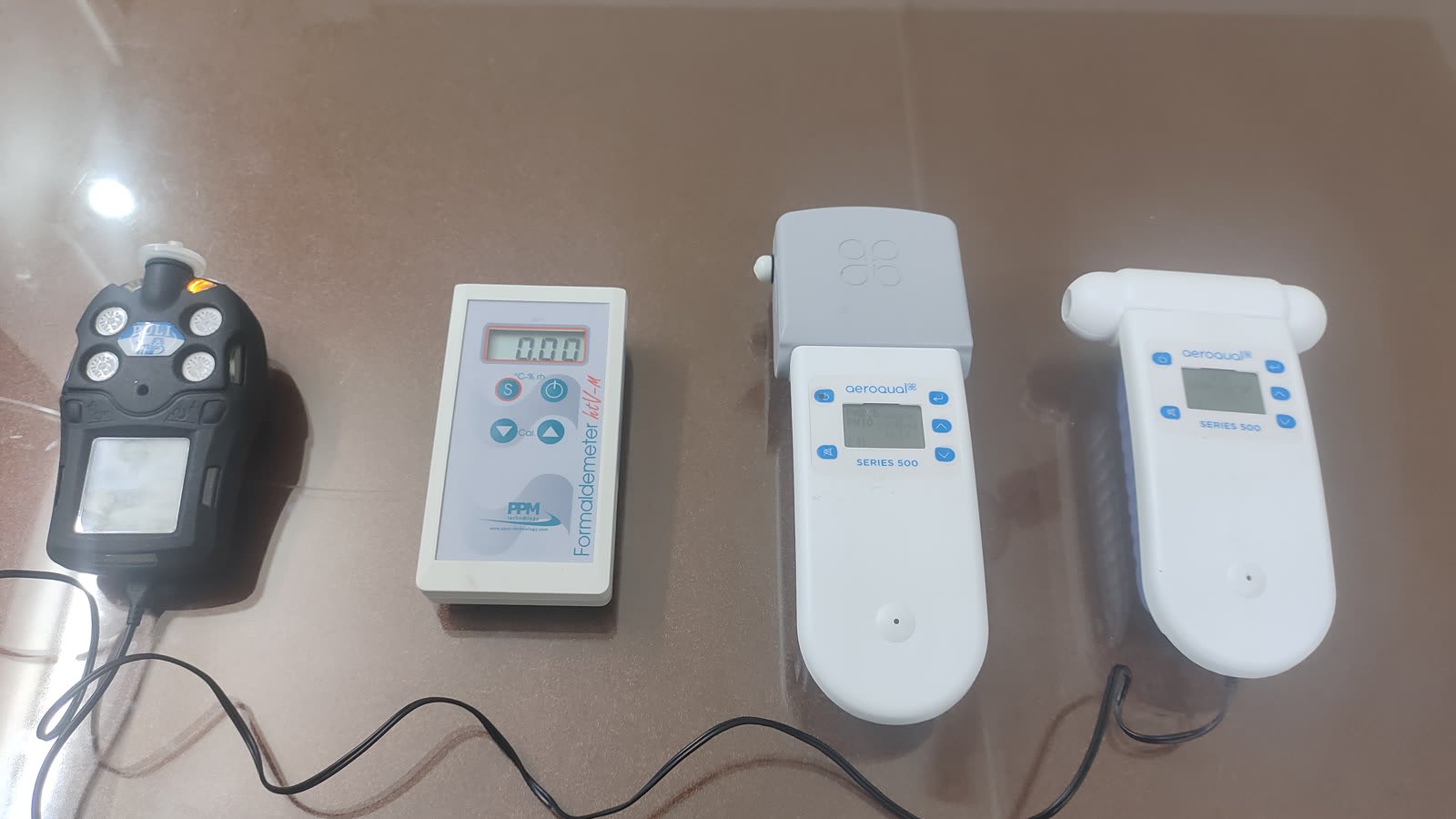
In April 2022 I joined BEE Incorporation as a Sustainable Materials Consultant, and stayed until February 2024. The clients were global luxury retail and hospitality brands, and the brief was consistent: find out what their spaces are really made of, and make them better.
Luxury retail is an unusual place to do LCA. A store fit-out is a dense mix of stone, metal, glass, millwork and lighting, sourced from all over the world and refitted far sooner than a building's structure is replaced. That makes it hard to measure, and full of opportunity.
Embodied carbon in store fit-outs. I ran construction and interior-design LCAs for luxury retail stores, and for a factory. A typical study covered the shell and façade, finishes, furniture, fixtures and equipment, and building services, following ISO 14040 and 14044 across the product, transport and construction stages (A1–A5). The first pass used generic data. Then came the slow part: working with contractors and vendors to replace generic figures with product-specific data for the materials that mattered most, and re-running the model each time better data arrived. I also worked with the RESET Embodied Carbon standard on measuring and reporting it.
Whole-building LCA for LEED. I carried out whole-building LCAs comparing a base case against a proposed design, cradle to grave, in One Click LCA.
Luxury store standards. Beyond LEED, luxury retail runs on its own rating systems. I worked on stores certified under LIFE v4 (LVMH Initiatives For the Environment), and under Harmonie, a luxury house's in-house store standard assessed by Bureau Veritas. Both are structured much like LEED: credits grouped into categories, points to win in each. My job was to find the best approach credit by credit — which measures a store could realistically take, and which would earn the most — and turn that into a plan to lift each store's score.
Sustainable materials case studies. I led sustainable material case studies for luxury retail and hospitality brands, and collaborated with a University of Cambridge researcher on a sustainable metals case study that informed a luxury goods brand's materials strategy.
Material data platforms. I worked on implementing MATTER.build, a material intelligence platform, for client teams — bringing embodied carbon, material health and circularity data into one place. I also worked closely with Origin (origin.build), a materials database, adding materials and the standards they meet to the platform.
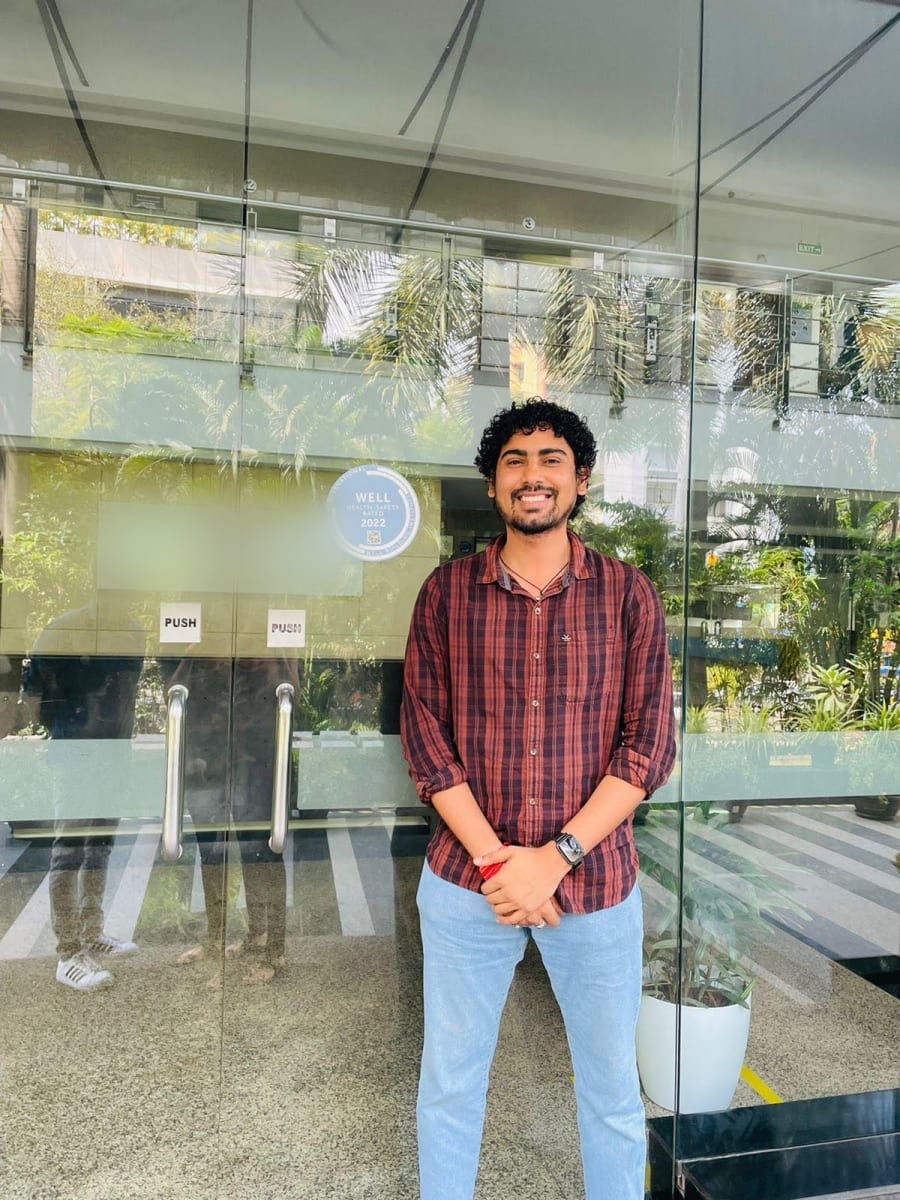
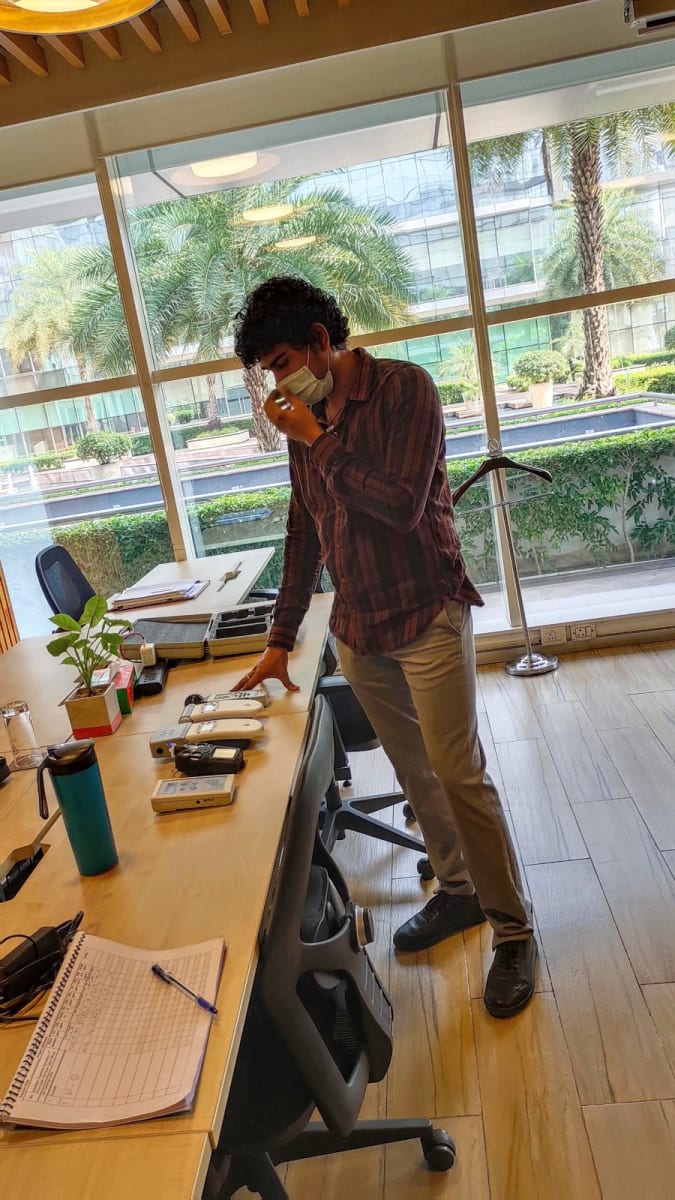
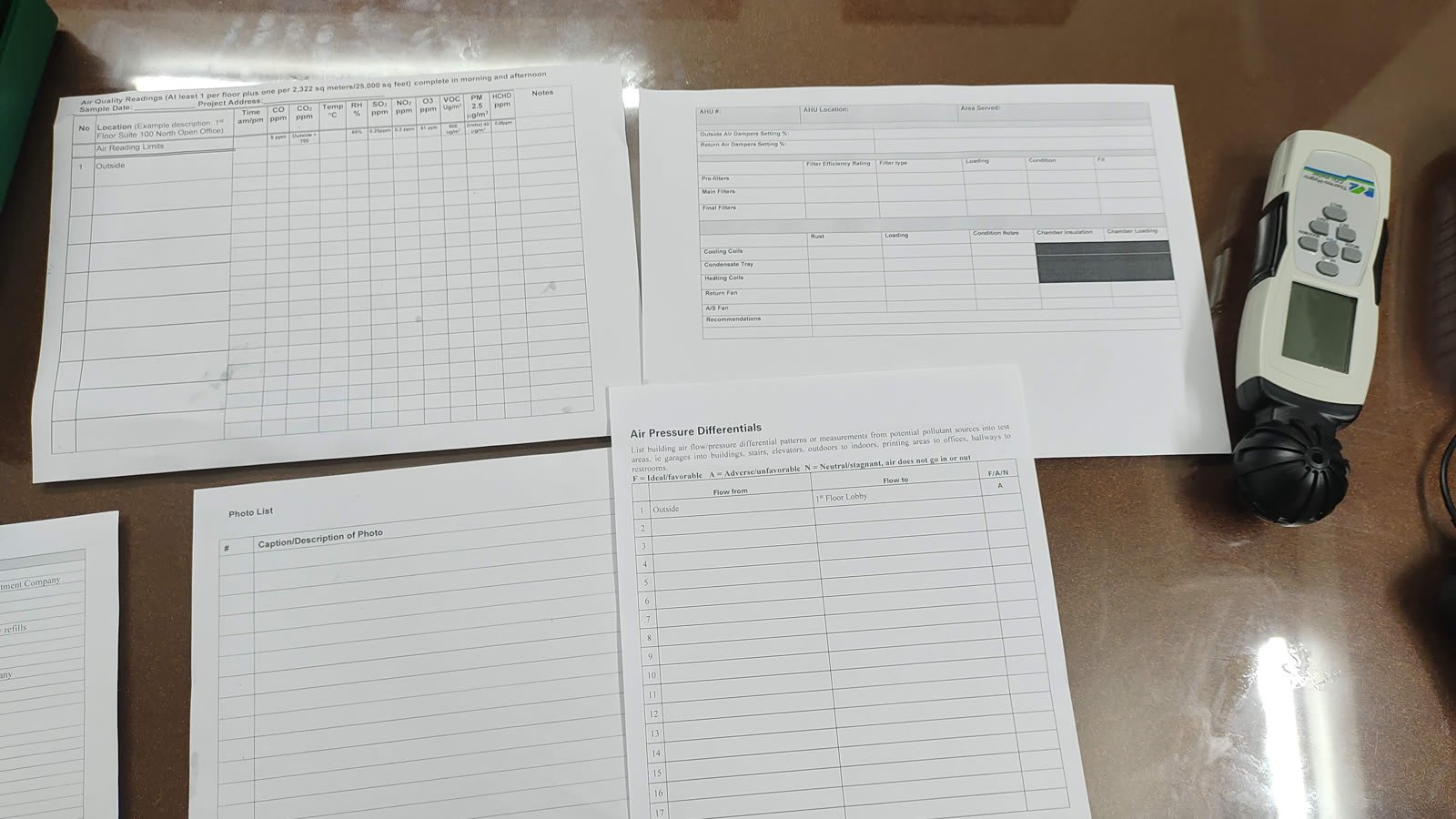
Indoor air, daylight and comfort. I conducted UL indoor air audits and WELL performance verification testing, advised on low-emitting materials, and supported LEED, LIFE and IGBC certification submissions. For residential projects I applied passive house design strategies and ran one-hour training workshops for clients on using them. In those workshops I used Andrew Marsh's interactive Daylight Box to model rooms live — changing window size and placement in front of clients so they could see how daylight would reach a room before anything was built.
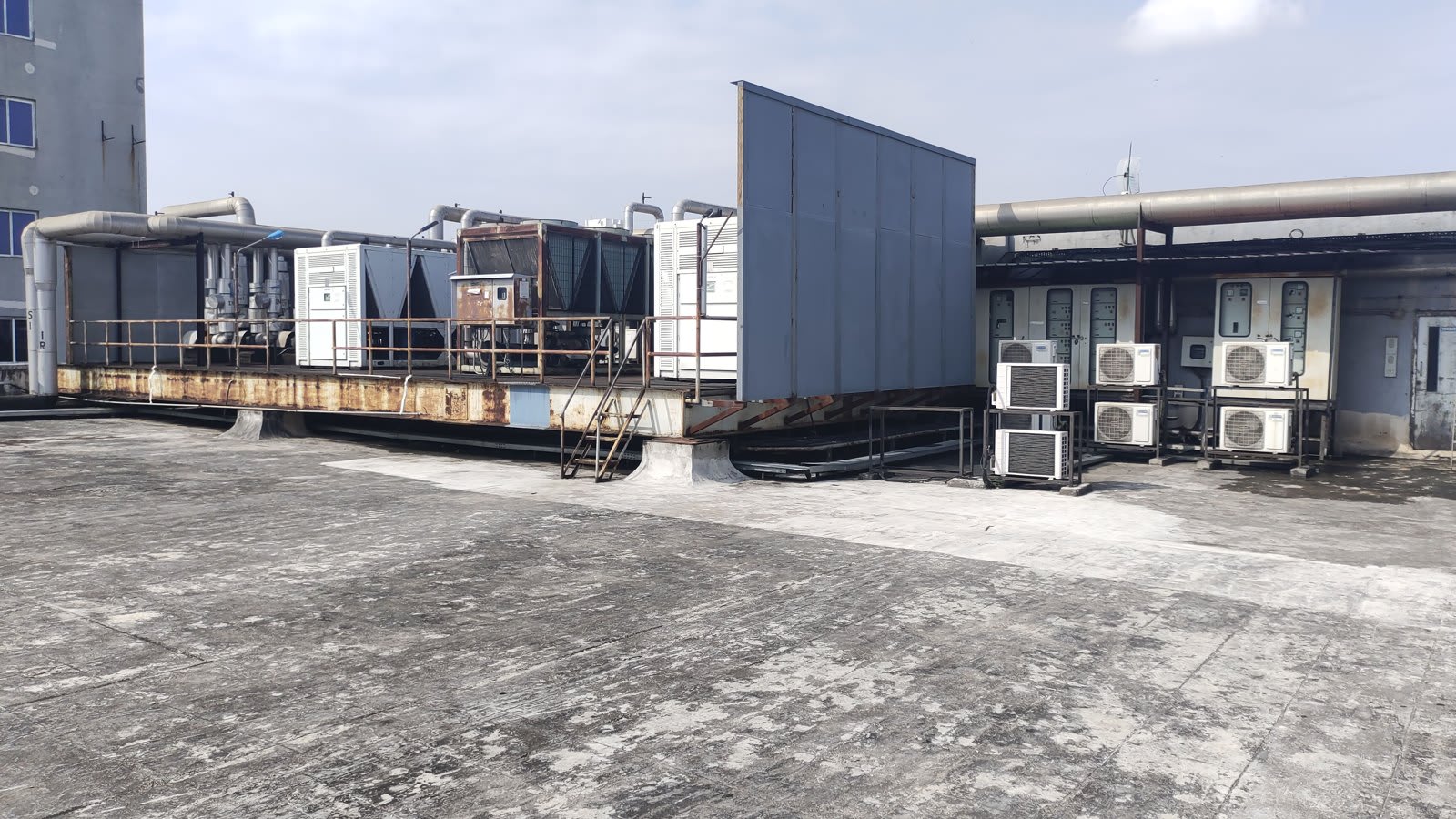
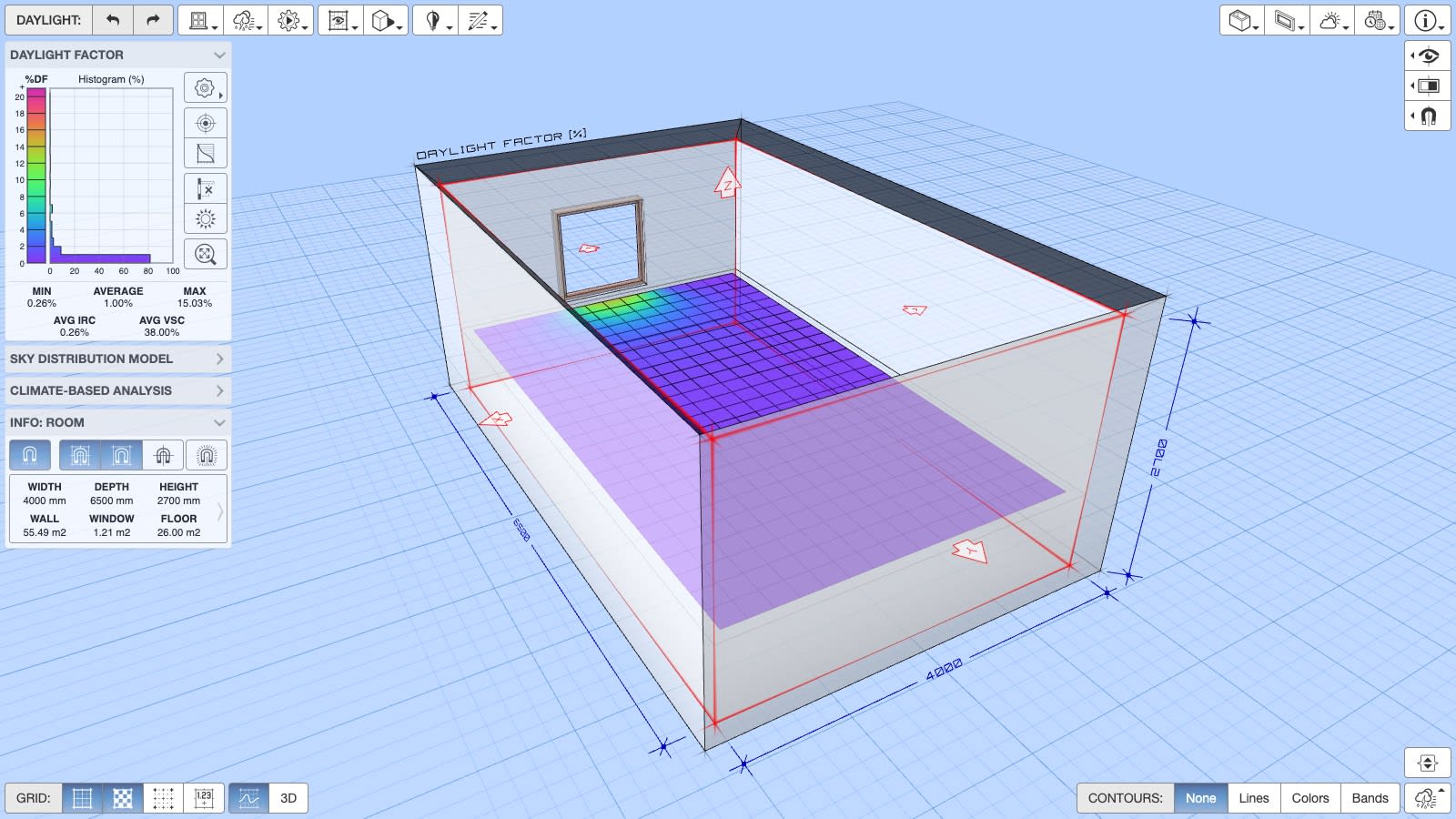
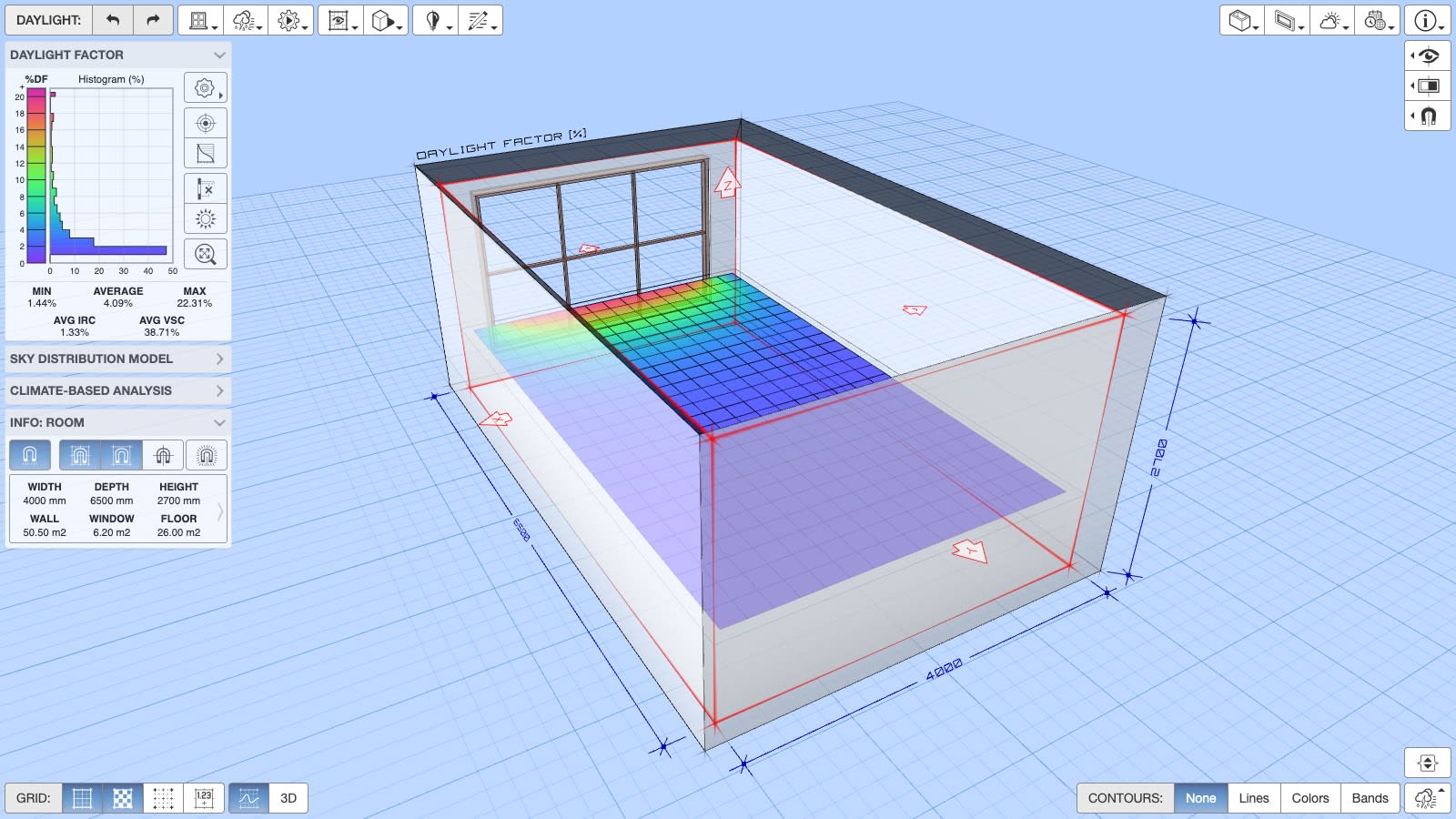




Five whole-building LCAs, alongside the interior studies, material case studies and certification work. The project results belong to the clients, so the numbers stay off this page — the lessons don't.
- Analyse materials at tender, not after handover. Studying a store once it is built shows where the carbon went; studying it at the tendering stage is when there is still time to change it, with contractors involved.
- Product-specific data changes the answer. Replacing generic figures with vendor data lowered the footprint on its own. An FSC certificate helps with responsible sourcing; an EPD is what lets you actually quantify the impact.
- The market isn't there yet. Few manufacturers publish EPDs or health information in the public domain — especially at local level — which is exactly why vendor engagement matters.
That last lesson pointed straight at the work I do now: producing the EPDs the rest of the industry is waiting for.