Vinay Iconia: Green Practice Before the Job Title
A five-floor commercial mall inside a gated community in Hyderabad, run by a two-person engineering team. Six months in — and two and a half years before sustainability became my job title — I started pushing material reuse, dust control, tree transplantation and concrete mix discipline onto a site that had no particular reason to want any of it.
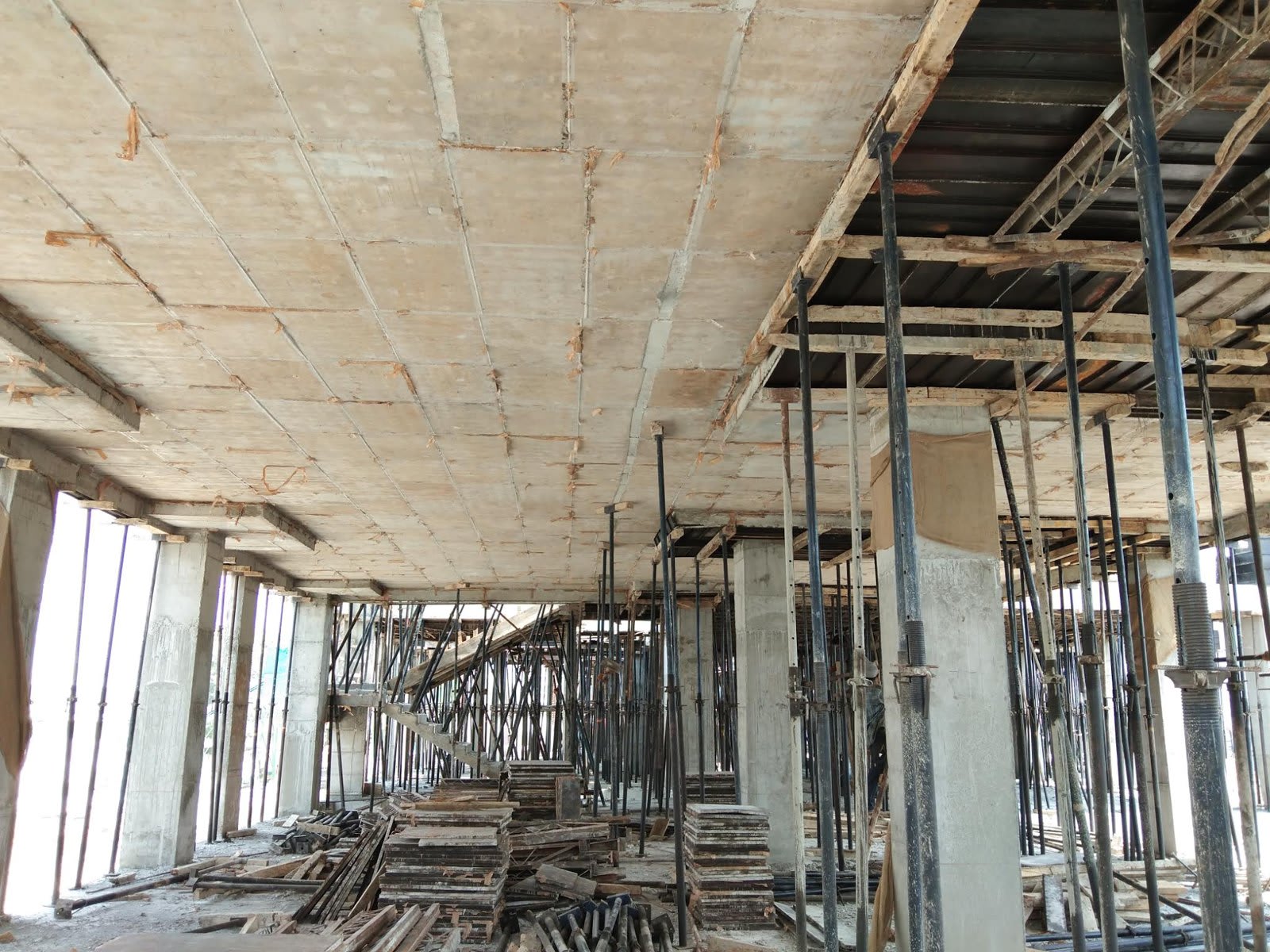
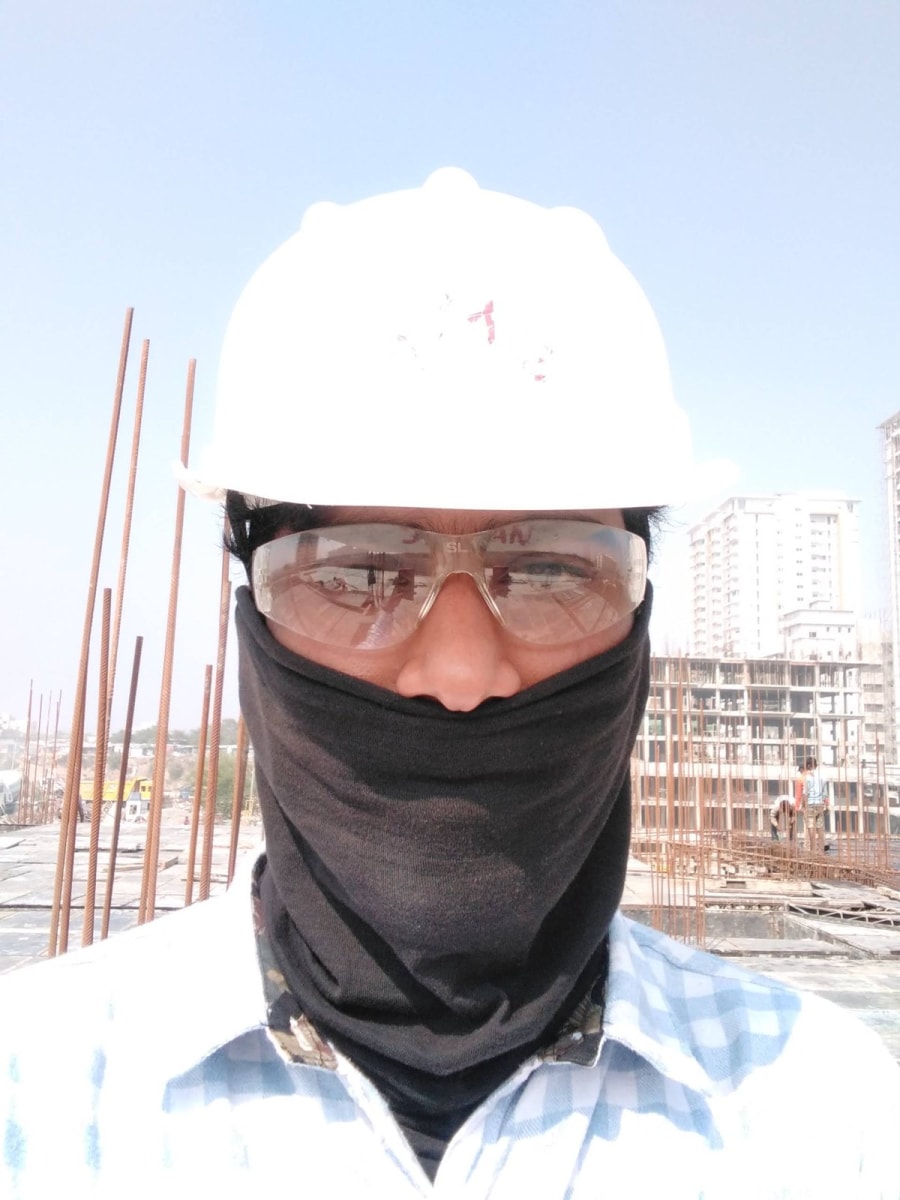
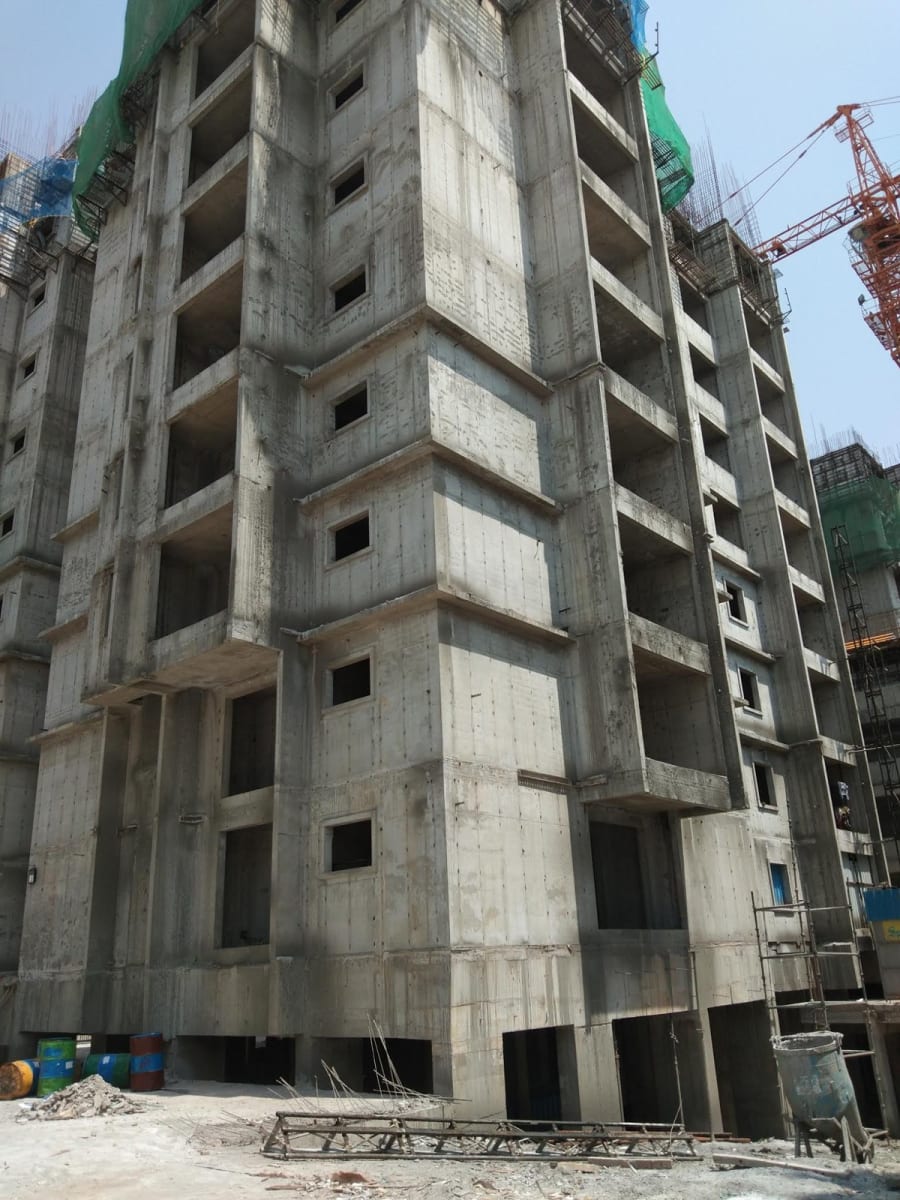
I joined SMR Holdings in December 2018 as a trainee on the Vinay Iconia commercial mall, and was promoted to Junior Engineer about six months in. The engineering team was two people: a senior engineer and me.
Indian commercial construction in 2019 was not asking for green building practice. There was no certification target on this project, no client mandate, and no line in the budget for it. What there was: a schedule, a contractor optimising for his own speed, and a young engineer who had read the green building principles and could not unsee the waste.
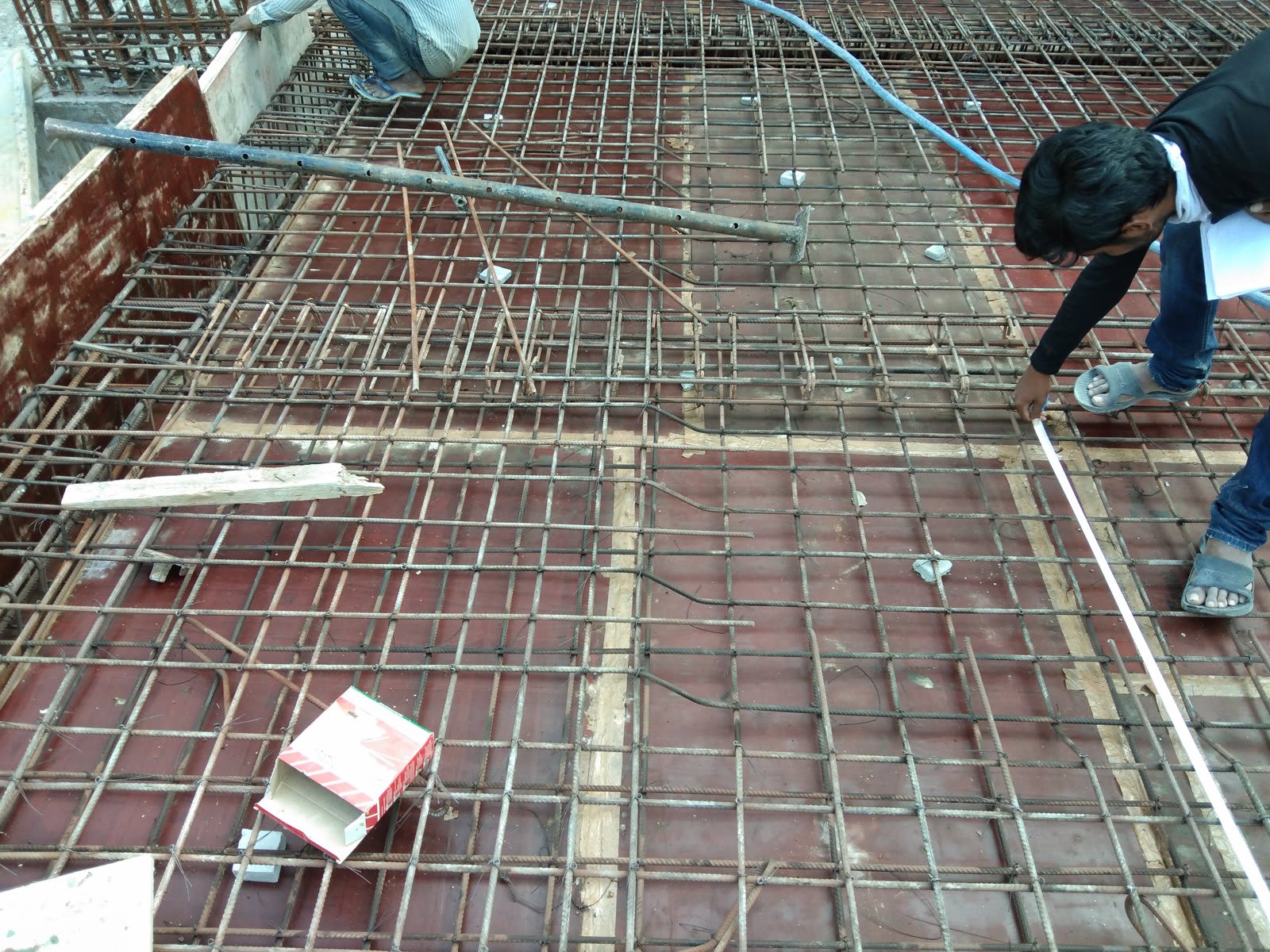
The conventional engineering came first, and I did it properly — nothing else I wanted would have been taken seriously otherwise. Interpreting architectural drawings, managing the work schedule, issuing material slips. Transferring lintel levels across peripheries and supervising lintel production, precast and onsite. Pulling column coordinates out of AutoCAD, staking them out with a total station, drilling for dowels. Bar-bending schedules for columns and footings. Driveway and parking markings. VDF and IPS flooring through the basements.
Alongside that I ran a second, unofficial brief.
Reuse over disposal. Empty cement bags went to landfill by default. I had them kept and reused as sand and gravel sacks.
Dust at the boundary. Trucks leaving site carried the site out with them. I pushed for a water gate at the exit so wheels were washed before they reached public road.
Move the trees, do not clear them. Where blasting was unavoidable and vegetation sat in the blast radius, the default was removal. I argued for transplantation instead — relocating what would otherwise have been destroyed.
Rebar, calculated. Cutting loss on reinforcement was treated as inevitable. It is not. Calculating accurately cut the offcut waste, and it cut cost too — cost being the argument that actually moved people.
Mix integrity. This one I had to fight repeatedly. Contractors add water to concrete because wet concrete is easier to place. Even when the mix arrived correct from the RMC plant, water went into the tanker on site. I kept reducing it and kept explaining why: workability gained now, strength lost later, and at the far end of that trade the kind of failure that ends in pancake collapse.
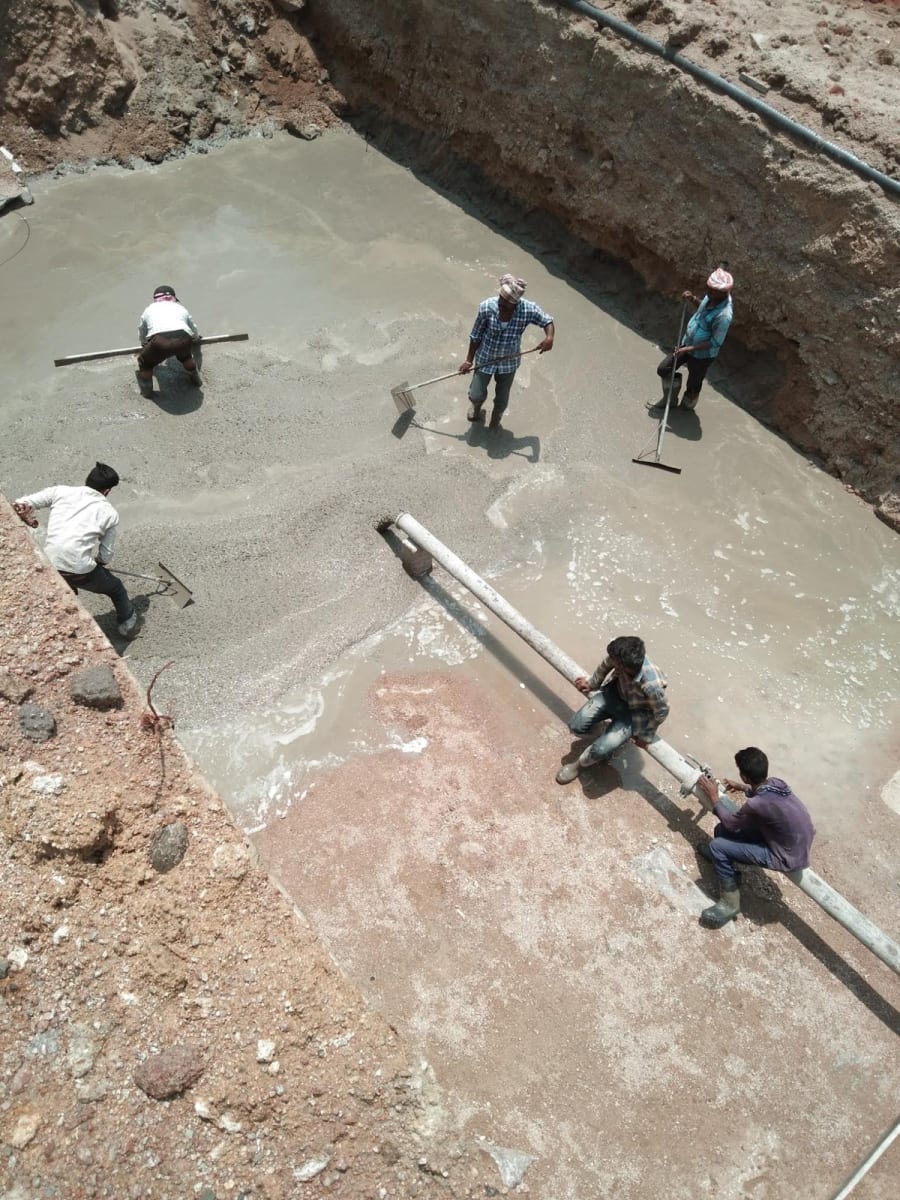
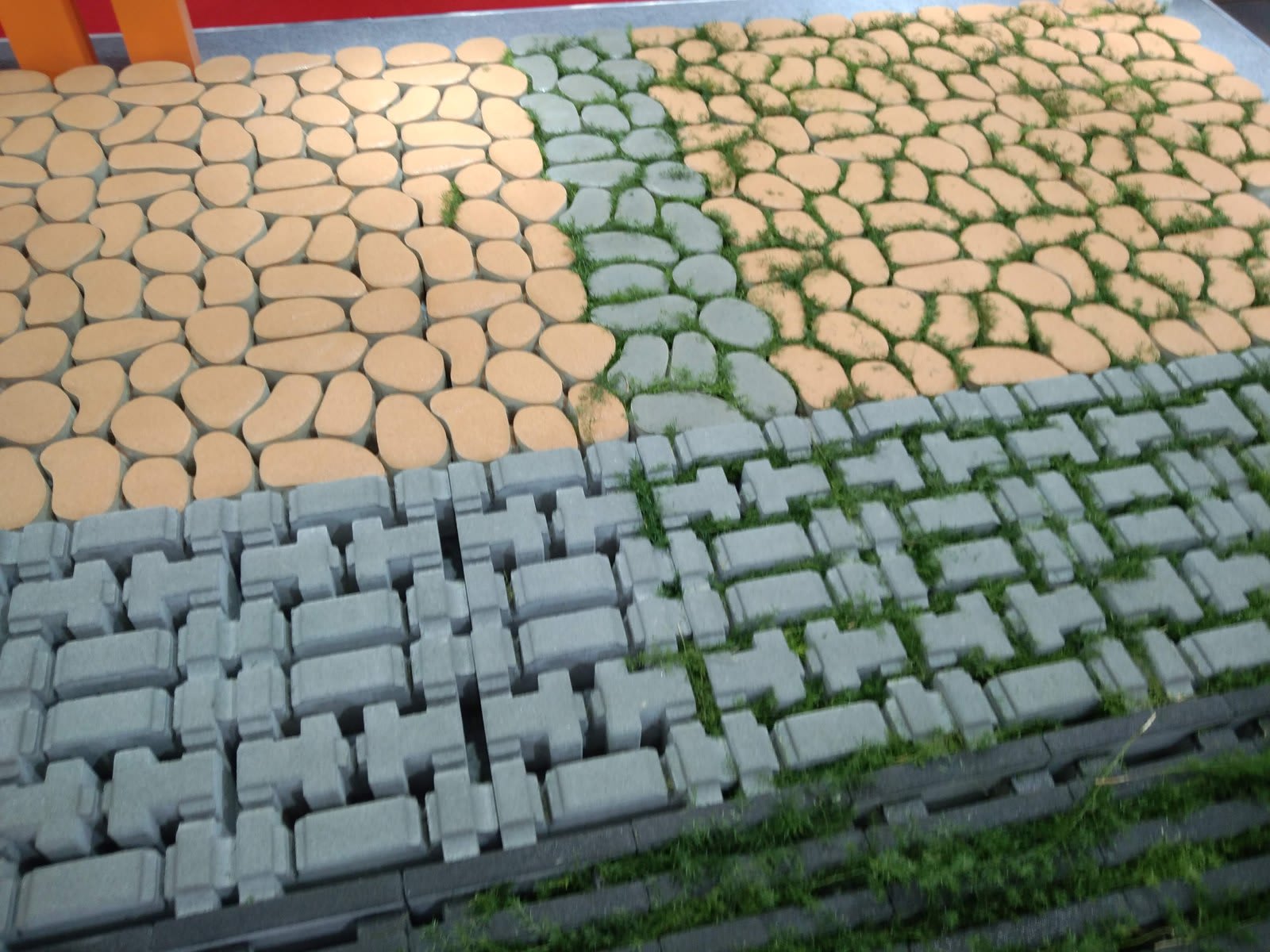
More than 40 trees and plants were transplanted rather than cleared. Cement bags were diverted from landfill into second use. The wheel-wash gate went in. Rebar waste came down. Mix-water discipline improved, though it needed constant reinforcement rather than ever being solved.
What I did not win was biodiversity. You cannot protect 100% of a site — but traditional construction protects none of it, and the distance between none and some was the entire argument.
I left in December 2020 with the base building complete and finishing underway.
The technical lesson was setout and structure. The real lesson was that sustainability on a live site is not a technical problem. Every intervention above was easy to specify and hard to land, and each one came down to persuading the person actually holding the tools. That is the same problem I would spend the following years solving for luxury brands — better tools, bigger budgets, structurally unchanged.